The country at a glance
Croatia is a small EU country where the number of programs in English is growing, especially in business, tourism and design.
What matters
Costs
Lower than in many Western European countries; Zagreb and Dubrovnik are more expensive.
Language of instruction
There are programs in English, but they are a minority.
Safety
A high level of everyday comfort.
Climate
Continental inland, Mediterranean on the coast.
Student life
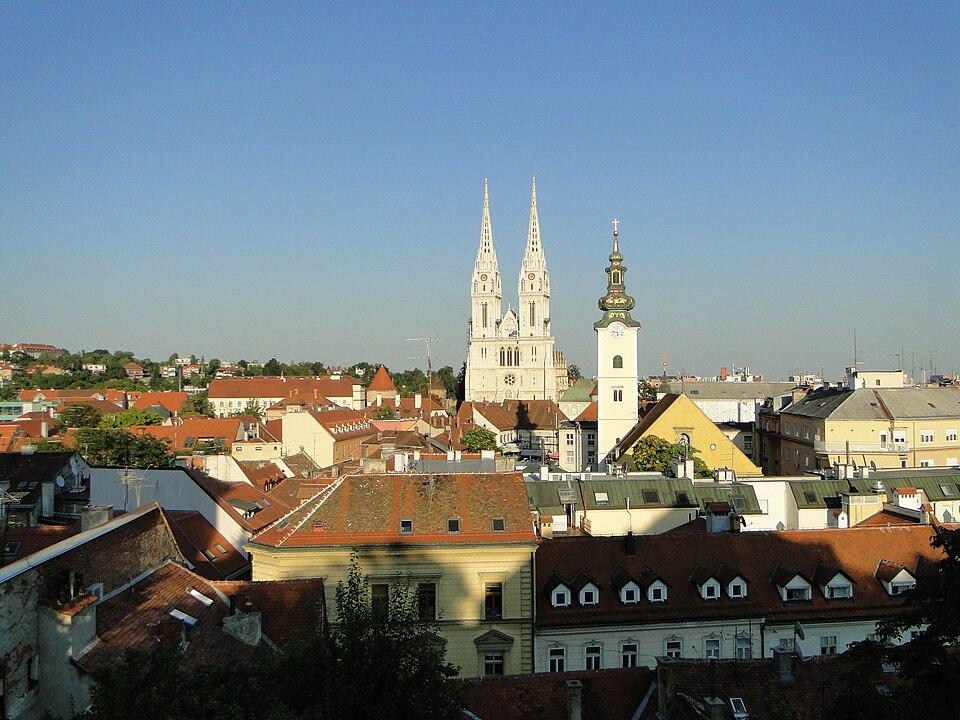
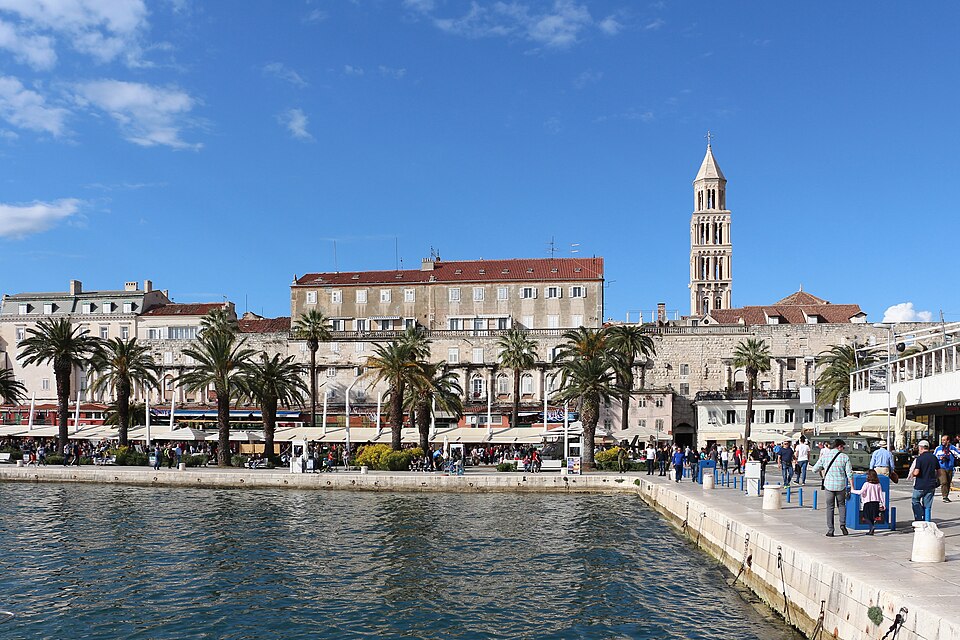
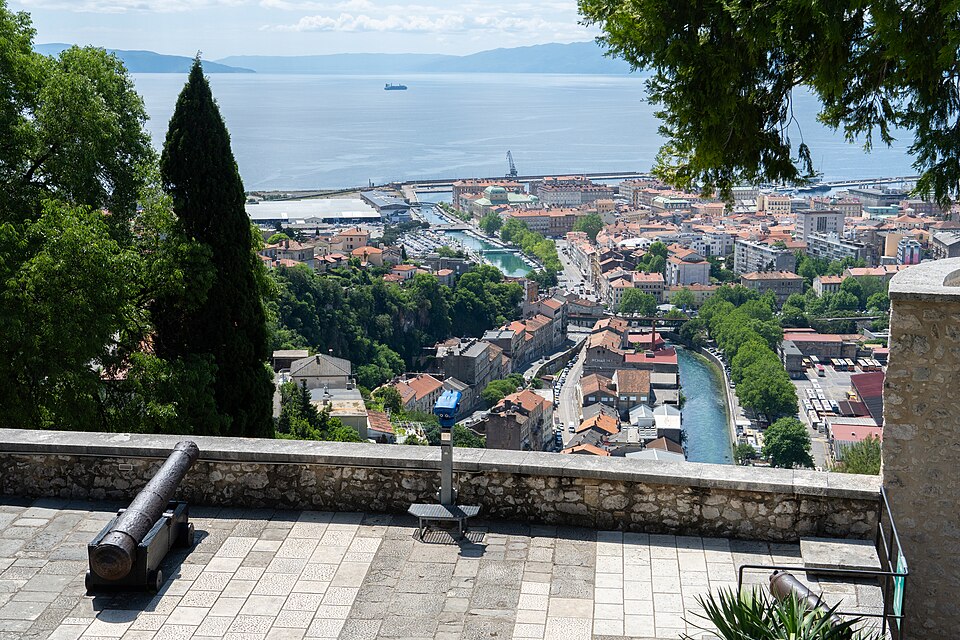
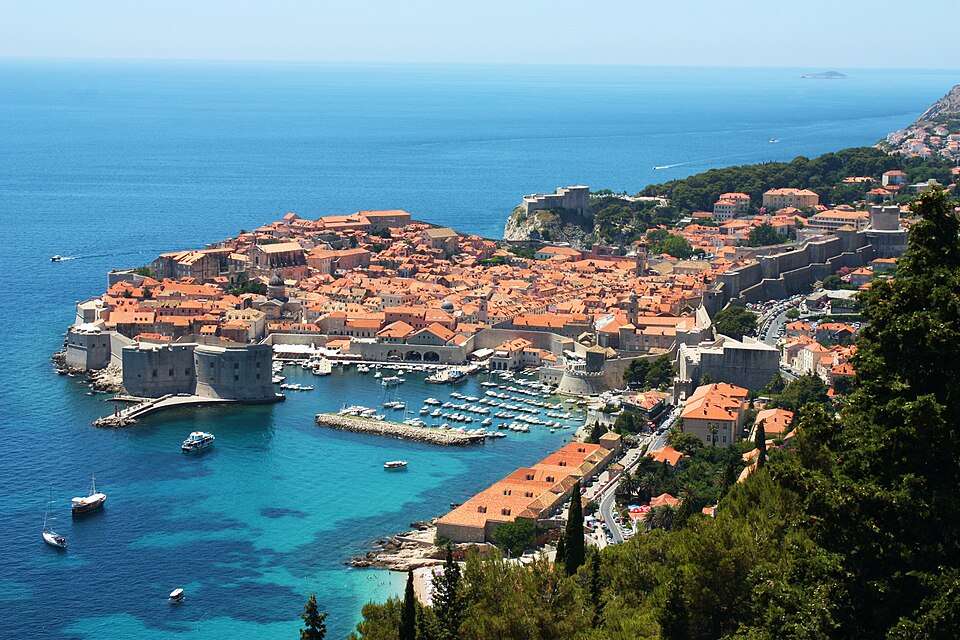
Zagreb is the main center; Split, Rijeka and Dubrovnik offer life by the sea.
Cities for study


Pros and what to watch out for
Pros
- An EU country's degree.
- Safety and quality of life.
- Moderate costs in a number of cities.
Risks and pitfalls
- A small choice of programs in English.
- Seasonal rises in housing prices on the coast.
- There are not many full grants.
Who is Croatia right for
A good fit
Wants a European experience in a small, cozy country.
Possible with preparation
Knows exactly which program in English they want.
Probably not a fit
Needs a very wide choice of English programs.
Entrance exams
University requirements
There is no single exam for foreigners.
English
We check the language and price of each program.
Grants and scholarships in Croatia
In numbers: Croatia
Data from official websites, checked on 2026-10-25. Conditions change, so before applying we check every figure against its source.
Visa and temporary stay
According to the Study in Croatia page (based on Ministry of the Interior materials), a student from a non-EU country needs an entry visa and temporary stay; the visa is applied for at the consulate no earlier than 3 months before the trip. For the stay: form 1a, passport, a 35 x 45 mm photo, proof of funds, health insurance, a criminal record certificate not older than 6 months and proof of enrollment at the university. You must register your address within 3 days of entry (dormitories and hotels do this themselves). The student must then apply for a biometric residence permit. The permit is usually issued for a year or for the academic year. The page is undated.
Permit fees
Temporary stay: €46.45; scholarship holders of the Croatian Ministry of Science and Education (for example, CEEPUS and bilateral scholarships) are exempt from the fee. Issuing the biometric card: €31.85 (€59.73 under the expedited procedure), paid also by exempt students. Additional administrative fee for the card: €9.29. The fee is paid by receipt to the state budget account; the details are provided by the police.
Money for living
The Ministry of the Interior page does not name the amount of funds to be proven: a document on funds is needed, for example a letter of guarantee, a bank statement or confirmation of a scholarship. The European Commission portal estimates a student's expenses at €400–800 a month (housing, food, transport), but this is a reference estimate, not a consulate requirement. We check the amount for the visa with the Croatian consulate.
Tuition fees
According to the European Commission portal (updated 22.01.2026), the annual fee for international students is roughly €1,100–10,400 in the humanities and social sciences and €1,000–6,000 in the natural and technical sciences; medicine and healthcare are usually more expensive, the figure is not given. Some universities also charge an application fee of about €60–300. The figure in the card, “€6,000–8,800 a year”, relates to private English-taught programs and is taken from university websites; there is no official general source for it.
Applying and scholarships
The European Commission page does not state deadlines: they must be looked up at each university, and you should apply early because visa procedures take time. Bachelor's applicants apply through the “Postani student” system. Scholarships: from universities, government ones for students from partner countries, and the CEEPUS and Erasmus+ programs; availability depends on citizenship and level. We did not find in official sources whether Kazakhstan counts as a partner country.
How much study costs
Private English-language programs cost roughly €6,000–8,800 a year; at public universities the price depends on the program.
We check the exact cost of a specific program on the university's official website for the current year.
Croatia universities in the My Study Free database
9 universities with data on programs, requirements and costs. Detailed profiles are available at a consultation and in the personal account.
- Algebra Bernays University
- Josip Juraj Strossmayer University of Osijek
- RIT Croatia
- University of Dubrovnik
- University of Rijeka
- University of Split
- University of Zadar
- University of Zagreb
- Zagreb School of Economics and Management
Book a consultation
We'll select universities in Croatia to fit your child's grades, English and budget and draw up an admission plan.