The country at a glance
Germany combines strong public universities, free or almost free tuition in most states and a strict system for recognizing the school certificate. The main question is whether you can apply straight away or need a preparatory year (Studienkolleg).
What matters
Costs
Medium to high; Munich and Berlin are more expensive, Leipzig and Aachen more affordable.
Language of instruction
There are programs in English, but German (C1) greatly widens the choice.
Safety
Generally high.
Visa
A blocked account is required: the 2026 guide figure is €11,904.
Student life
A lot of independence, well-developed student services and transport.
Cities for study
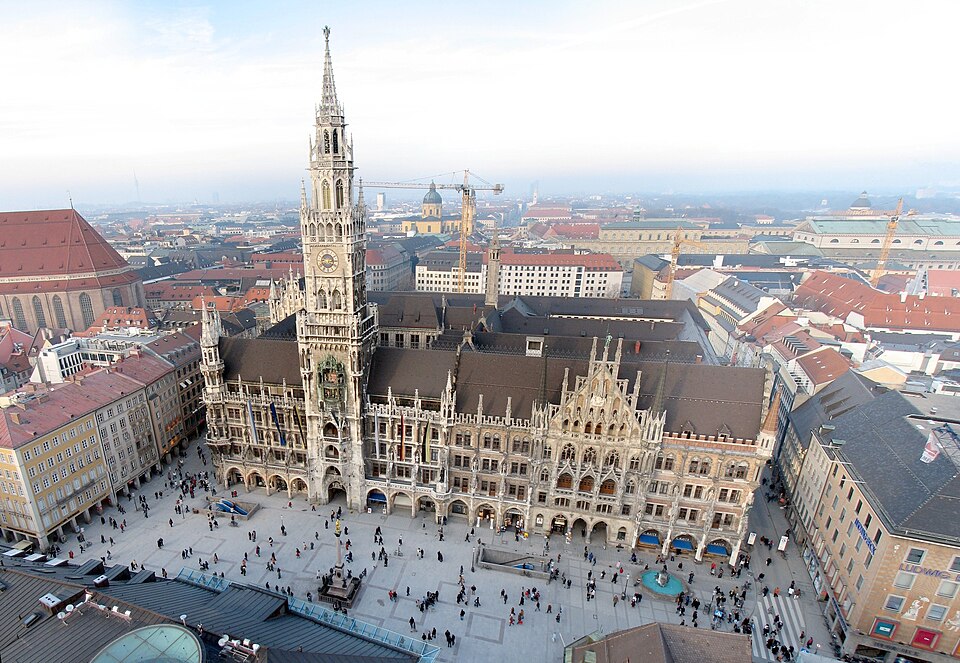
Munich
TUM and LMU: the strongest academic environment, but housing is expensive.
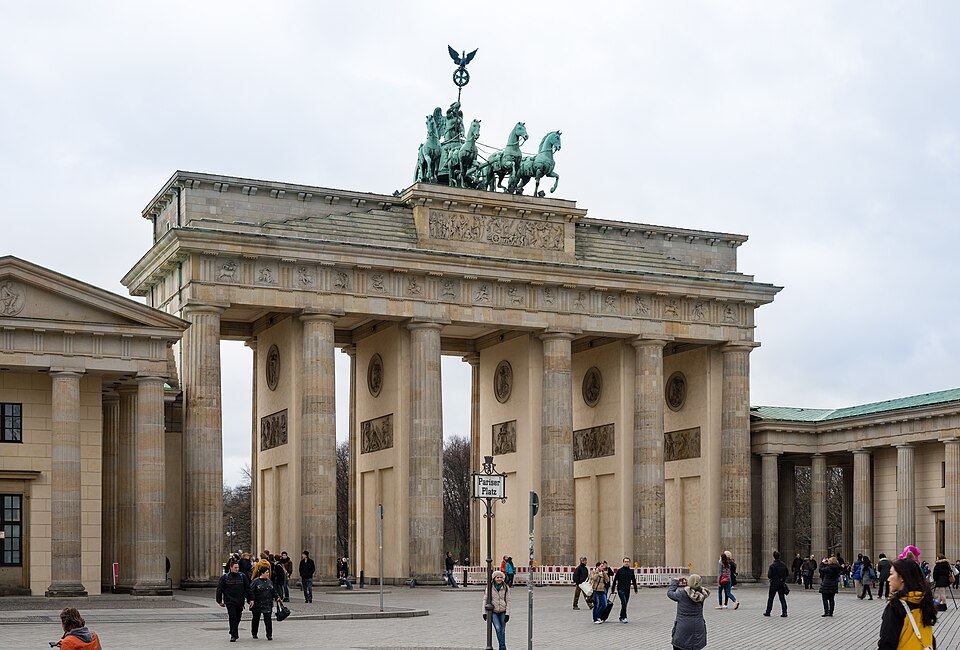
Photo: Norbert Nagel, CC BY-SA 3.0
Berlin
A large international market of universities; housing is harder.
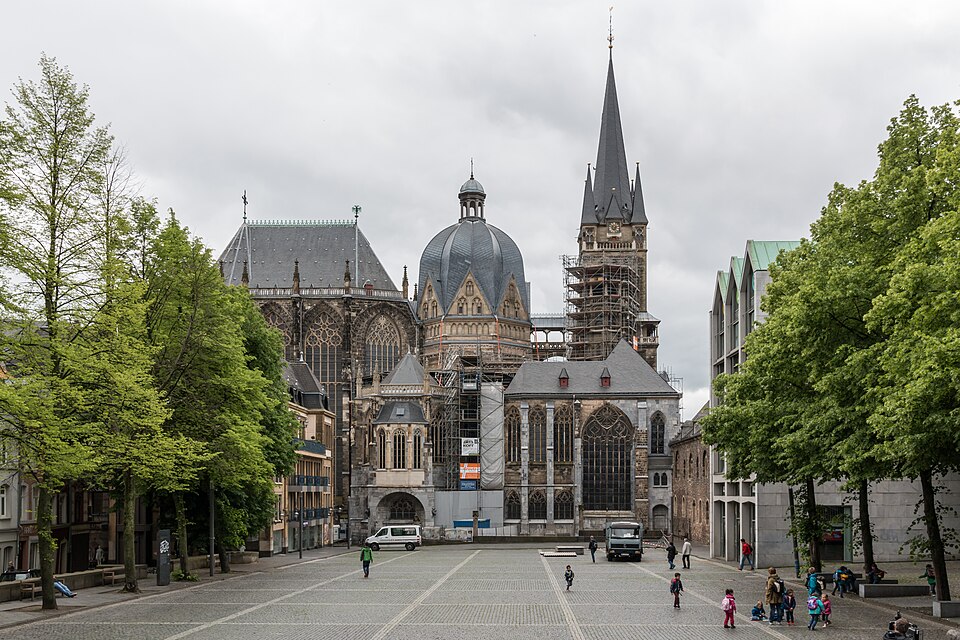


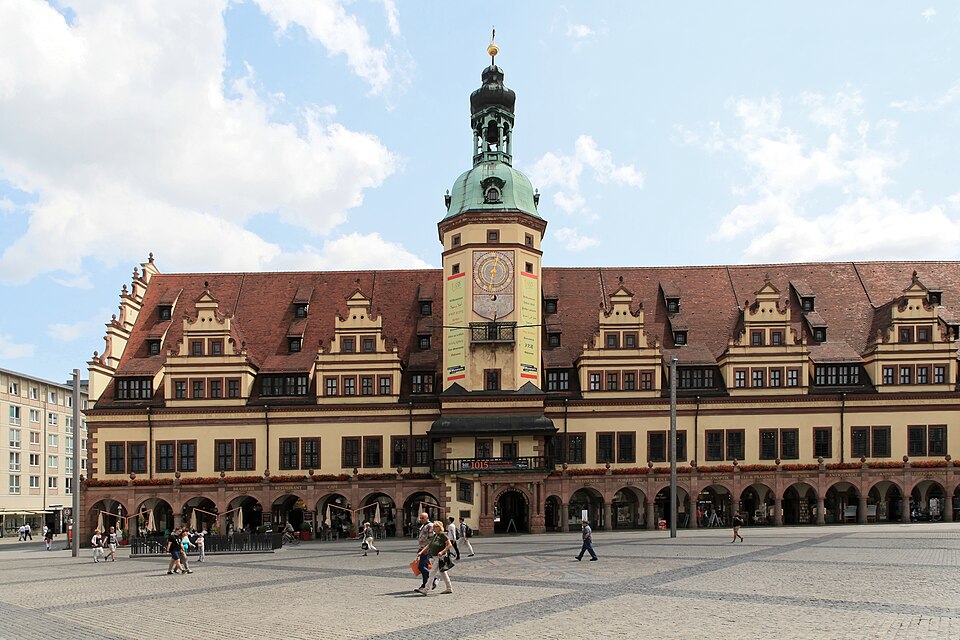
Photo: Frank Vincentz, CC BY-SA 3.0

Leipzig, Bremen, Saarbrücken
Moderate costs; Saarbrücken is a strong Computer Science hub.
Pros and what to watch out for
Pros
- Most public universities charge no tuition (only a semester fee is paid).
- A high academic reputation of the degrees.
- A clear amount of proof of funds for the visa.
Risks and pitfalls
- Recognition of the school certificate is checked as the first step.
- Most bachelor's programs are in German.
- Exceptions on fees: Baden-Württemberg (€1,500 per semester for non-EU students), TUM in Bavaria (€2,000–3,000 per semester for bachelor's); fees are also possible at other Bavarian universities.
Who is Germany right for
A good fit
An independent student who is ready to check the recognition of the school certificate in advance and learn German.
Possible with preparation
Wants to study only in English: there is a choice, but it is noticeably narrower.
Probably not a fit
Expects a single simple admission system.
Entrance exams
Recognition of the certificate / Studienkolleg
Determines whether you can apply straight away or need a preparatory year.
uni-assist and language
The German or English requirements are different at each university.
Grants and scholarships in Germany
The DAAD scholarship database
Full funding for a bachelor's is rare; the database helps to find external programs.
In numbers: Germany
Data from official websites, checked on 2026-10-22. Conditions change, so before applying we check every figure against its source.
Average student expenses
€842 a month on average: housing, food, transport, insurance, communications, study materials. The semester fee is not included. This is an average across students, not a minimum.
Tuition fees
Most public universities do not charge them. Exceptions: Baden-Württemberg, €1,500 per semester for non-EU students; the Technical University of Munich (TUM), from the 2024/25 winter semester €2,000 or €3,000 per semester for non-EU bachelor's students. Private universities charge more.
Proof of funds for the visa
€992 a month, €11,904 a year (since September 2024). The money is placed in a blocked account. The exact amount for your type of visa is confirmed on the embassy's website.
Work while studying
For non-EU students: 140 full or 280 half working days a year. Work beyond this requires permission from the foreigners authority. A student assistant position at the university does not count towards the limit, but it must be reported to the authority.
After graduation
A graduate of a German university can get a residence permit to look for a job for up to 18 months. You must show that you have funds for that time. Work is allowed during this period.
Safety
Global Peace Index 2026: Germany ranks 28th out of 163 countries (score 1.657; the lower the score, the more peaceful the country). The index assesses the country as a whole, not student life.
How much study costs
At many public universities tuition is free and a semester fee is paid (usually €100–350 according to DAAD). Exceptions: Baden-Württemberg, €1,500 per semester for non-EU students; TUM, €2,000–3,000 per semester for bachelor's; fees are also possible at other Bavarian universities.
We check the exact cost of a specific program on the university's official website for the current year.
Germany universities in the My Study Free database
28 universities with data on programs, requirements and costs. Detailed profiles are available at a consultation and in the personal account.
- Constructor University Bremen
- RWTH Aachen
- Technical University of Berlin (TU Berlin)
- Humboldt University of Berlin
- University of Bonn
- University of Bremen
- University of Hamburg
- Heidelberg University
- University of Göttingen (Georg-August-Universität)
- Technical University of Darmstadt
- Dresden University of Technology (TU Dresden)
- Friedrich Schiller University Jena
- Karlsruhe Institute of Technology (KIT)
- University of Cologne
- Leipzig University
- University of Mannheim
- University of Münster
- Ludwig Maximilian University of Munich (LMU)
- Saarland University
- Free University of Berlin (FU Berlin)
- Technical University of Munich (TUM)
- University of Tübingen (Eberhard Karls Universität Tübingen)
- Ulm University
- Friedrich-Alexander University Erlangen-Nuremberg (FAU)
- Goethe University Frankfurt
- Rhine-Waal University of Applied Sciences
- University of Freiburg
- University of Stuttgart
Book a consultation
We'll select universities in Germany to fit your child's grades, English and budget and draw up an admission plan.