The country at a glance
South Korea is a structured and technology-driven study environment with strong universities, a high level of everyday comfort and a recognizable education brand. The GKS government program and university grants make the country genuinely accessible.
What matters
Costs
Medium; Seoul is noticeably more expensive than the regional cities.
Language of instruction
There are programs in English, but Korean (TOPIK) noticeably widens your choice and makes life easier.
Safety
A high level of everyday safety.
Climate
Four distinct seasons: hot summers and cold winters.
Student life
A digital environment, campus clubs, a fast pace and discipline.
Cities for study
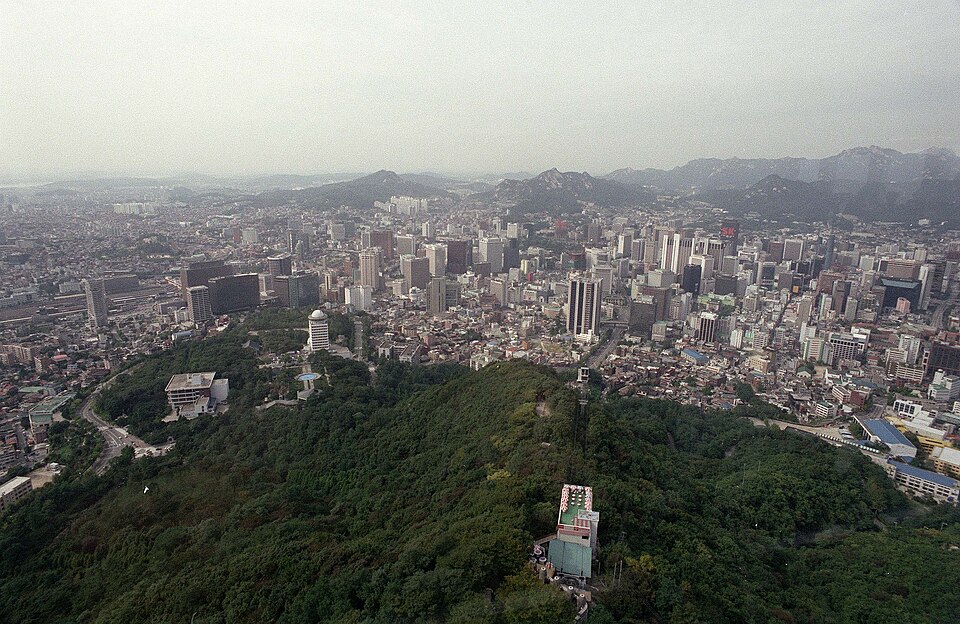
Photo: UNC - CFC - USFK, CC BY 2.0
Seoul
The most strong universities and internships, but also the highest costs.
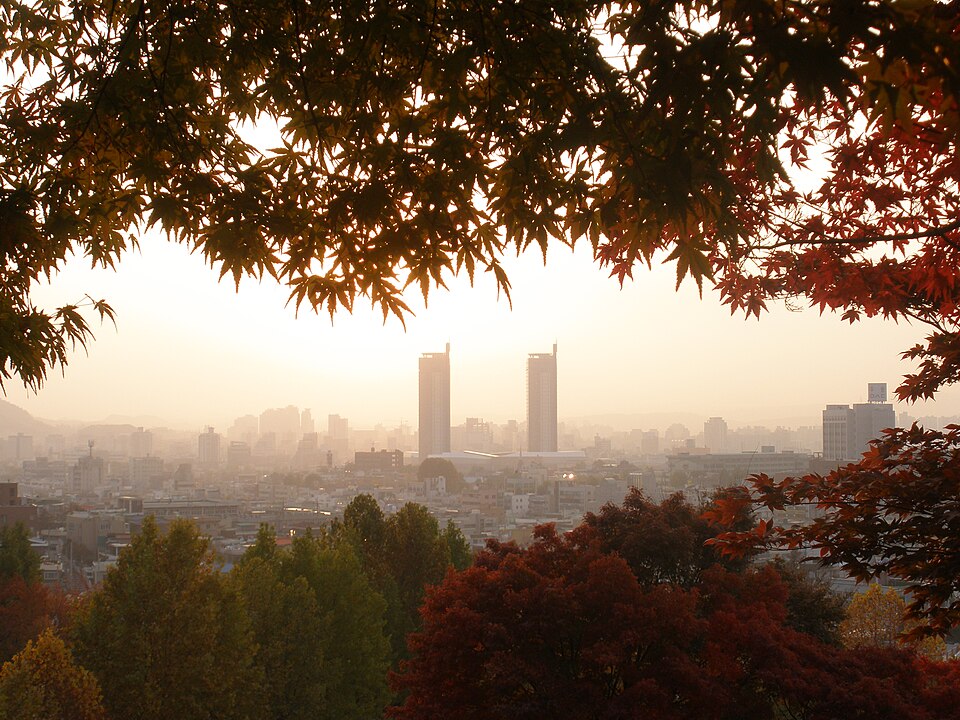
Photo: Paul Evans - User: (WT-shared) Snave at wts wikivoyage, Public domain
Daejeon
A city of science: KAIST; calmer and cheaper than Seoul, and excellent for STEM.
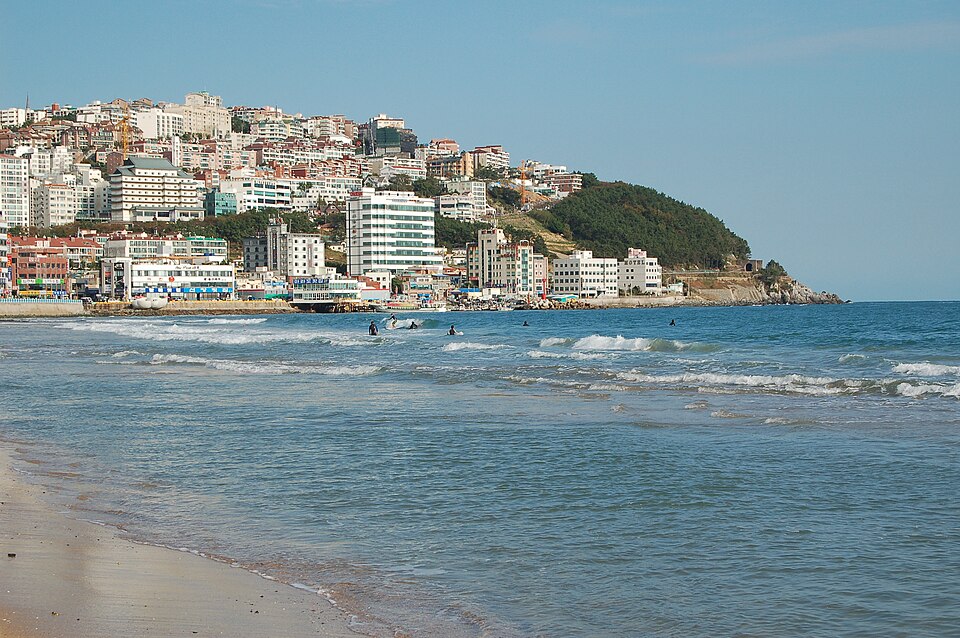
Busan
A large port city with a mild climate and strong public universities.


Pros and what to watch out for
Pros
- A high level of everyday comfort and well-developed infrastructure.
- A clear D-2 student visa and clear admission rules.
- GKS and university grants are realistic funding scenarios.
Risks and pitfalls
- Seoul can noticeably increase the family's budget.
- Without TOPIK the choice of programs is narrower.
- Keeping a grant often depends on your average grade.
Who is South Korea right for
A good fit
An organized student who is comfortable with discipline, a fast pace and technology.
Possible with preparation
Applies to an English-language track without Korean: possible, but it is better to start learning the language in advance.
Probably not a fit
Finds competition hard to bear or expects a relaxed study rhythm.
Entrance exams
TOPIK
Needed for programs in Korean and for some scholarships; the level depends on the program.
IELTS / TOEFL
For the English-language track; often plus an interview.
Grants and scholarships in South Korea
Global Korea Scholarship (GKS)
A government program: tuition, a monthly stipend, airfare and a year of Korean language study.
University grants
Often 30–100% of tuition if the academic performance conditions are met.
In numbers: South Korea
Data from official websites, checked on 2026-10-23. Conditions change, so before applying we check every figure against its source.
D-2 student visa
The visa requires: a copy of the passport, a photo not older than 6 months, a standard admission letter from the university, a document on the highest education obtained and proof of financial means. If the money is proven with a parent's account, documents proving kinship are added. The consular fee is about 40–90 US dollars depending on the term and the number of entries. The amount for proving funds is not given on the Study in Korea page, so we confirm it with the consulate.
Registration after arrival
If you stay in Korea for more than 90 days, you must complete foreigner registration (ARC) within 90 days of entry. A change of address is reported within 15 days, otherwise a fine of up to 1 million won is possible.
Work while studying
You may take a part-time job only with prior permission: a job contract with hourly pay and the signature of the university's international advisor are required. According to the table on the official website, a bachelor's student may work up to 10 hours; at accredited and outstanding universities, up to 25 hours on weekdays and up to 30 on weekends and holidays. In the 3rd–4th years this requires Korean (TOPIK 4 or equivalent). The website does not explain how hours and holidays are counted, so we confirm the conditions with the university's advisor. Working without permission is punished by law.
GKS-U government scholarship
The scholarship covers the flight, a year of Korean language study, tuition and a monthly allowance (the amount for a bachelor's is not given on the page). The candidate and both parents must not be Korean citizens; the age must be under 25; an average grade of at least 80%, or a place in the top 20% of the class, or the required CGPA is needed. Applications go through the embassy (online, announcement in September) or directly to a participating university (September to November).
GKS-U for 2027
The GKS-U intake announcement for 2027 was posted on 9 September 2026. Application deadlines, documents and quotas are given in the attached rules (Application Guidelines); the mentor checks the specific dates for Kazakhstan against them and against the Korean embassy's website.
How much study costs
Depends on the university and major; we compare using the official price per semester.
We check the exact cost of a specific program on the university's official website for the current year.
South Korea universities in the My Study Free database
22 universities with data on programs, requirements and costs. Detailed profiles are available at a consultation and in the personal account.
- KAIST
- Korea University
- POSTECH
- SolBridge International School of Business
- Ewha Womans University
- Gwangju Institute of Science and Technology (GIST)
- Kyungpook National University
- Pusan National University
- Seoul National University
- Yonsei University
- Konkuk University
- Korea University
- Kyung Hee University
- Sejong University
- University of Seoul
- Sogang University
- Sungkyunkwan University (SKKU)
- Dongguk University
- Hanyang University
- Chung-Ang University
- Hankuk University of Foreign Studies (HUFS)
- Jeonbuk National University
Book a consultation
We'll select universities in South Korea to fit your child's grades, English and budget and draw up an admission plan.